
Generating alternatives for a more inclusive Central American region
El Salvador
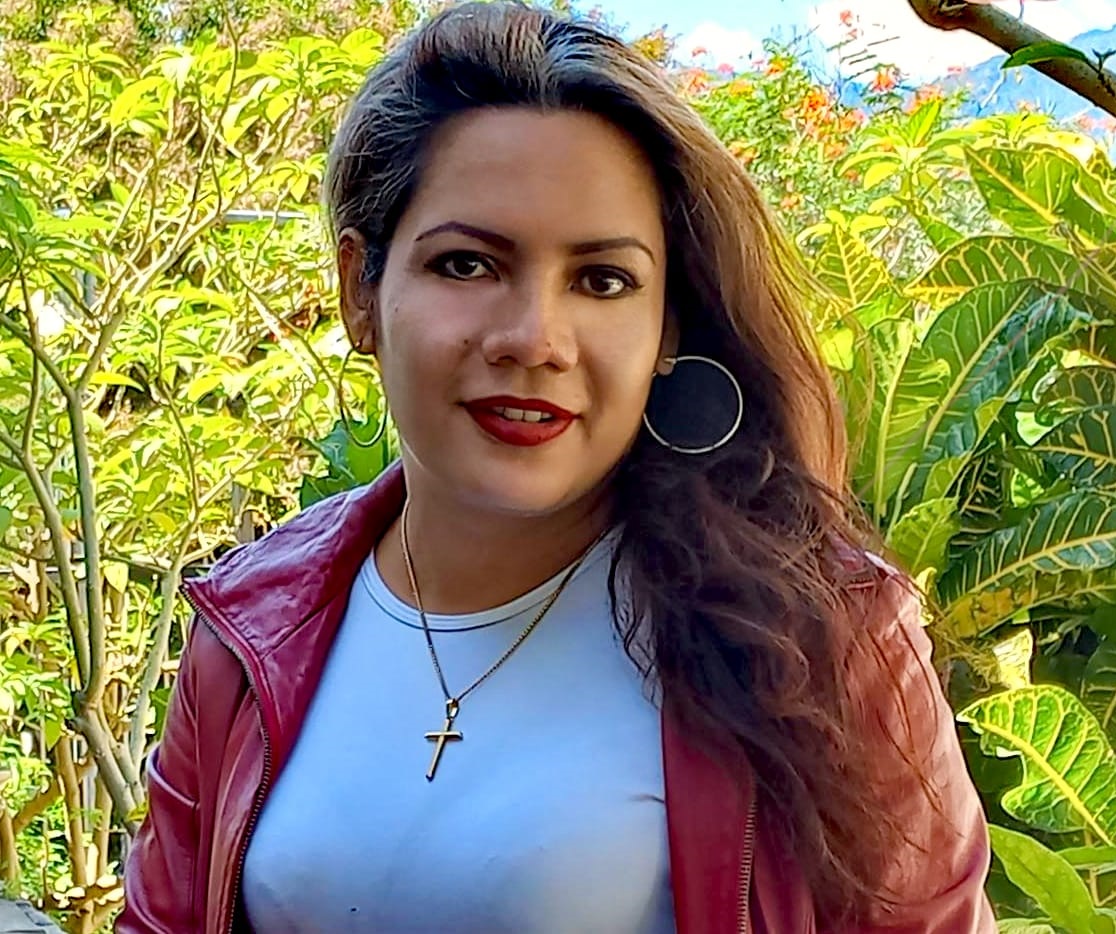
In 2021, Brenda was appointed by INJUVE to participate in an education process on psychosocial accompaniment of LGBTIQ+ youth organized by the GIZ ALTERNATIVAS program. During the training, Brenda learned new knowledge that would help her raise awareness and guide LGBTIQ+ youth about their rights and the services that exist to support them in their personal development. Later, Brenda organized different awareness events in municipalities of the Metropolitan Area of San Salvador, serving more than 200 young people. In this phase, the openness and receptivity of municipalities to provide the space and facility to talk to young people about topics that have traditionally been taboo stands out.
What the LGBTI population demands most is respect. With just that, the doors are opened to educational opportunities and to their development like any human being without any stigma."
Brenda Rosales, LGBTIQ+ youth rights promoter
A determining factor for the full development of LGBTI+ youth is having family support and understanding. In this regard, it is essential that the family provides the necessary respect and understanding to contribute to the social and productive inclusion of LGBTI+ young people.
In this context, the German Development Cooperation (GIZ) and the Secretariat for Central American Social Integration (SISCA by its acronym in Spanish) have been implementing the regional (re)integration of children and young people at risk of irregular migration in Central America – ALTERNATIVAS. The program is funded by the Special Initiative on Forced Displacement and Host Countries of the German Federal Ministry for Economic Cooperation and Development (BMZ by its acronym in German).

Presentation of the psychosocial accompaniment manual for LGBTIQ+ children and youth and their families in Honduras © ALTERNATIVAS/GIZ Program
The program’s four fields of action include the promotion of strengthening psychosocial support services for children and young people who live in conditions of social vulnerability and who often suffer traumatic experiences that force them to migrate irregularly. Through a series of manuals specifically designed to address this situation, more than 500 professionals who provide psychosocial care to vulnerable social groups in Guatemala, Honduras, El Salvador, Costa Rica, Belize, Panama and the Dominican Republic were trained.
The manuals provide guidance for applying psychosocial support methodologies to children and young people who have returned or are at risk of irregular migration, care for children and young people at risk of self-harm or suicide and finally the psychosocial support of LGBTIQ+ children and youth and their families. For more information you can visit the virtual library of the ALTERNATIVAS program.